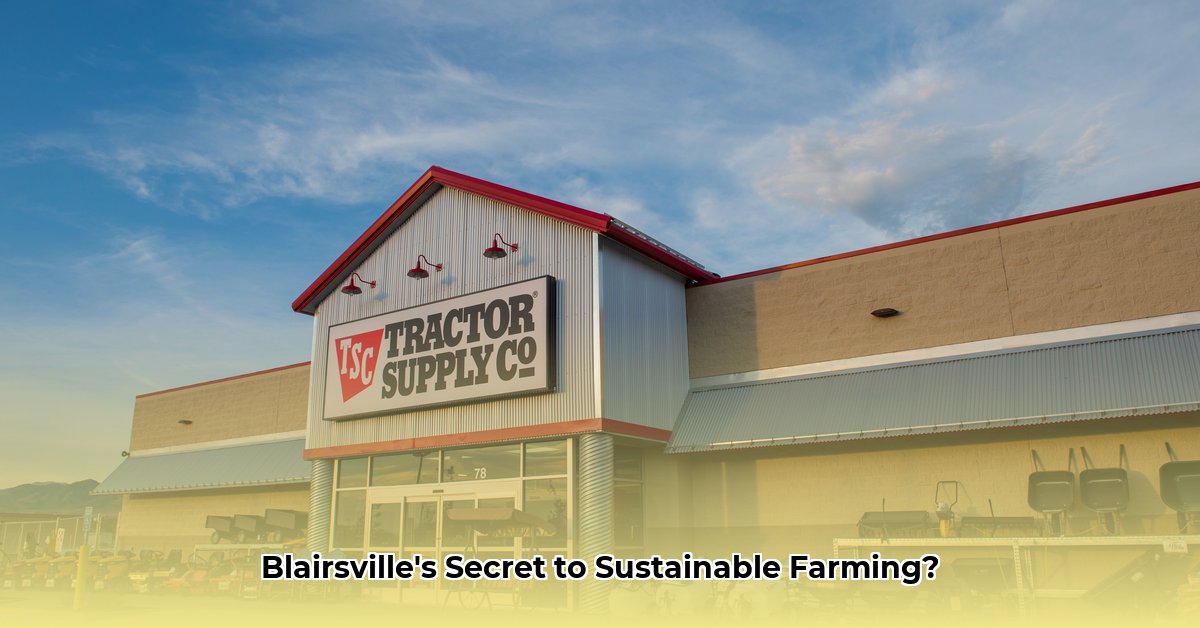
Tractor Supply Company (TSC) in Blairsville, Pennsylvania, is more than just a retail store; it's a vital resource for local farmers and gardeners, playing a significant, albeit complex, role in supporting sustainable agriculture within the community. This article explores TSC's impact, highlighting both its contributions and the challenges that lie ahead in ensuring a truly sustainable future for local food production. For similar stores in other areas, check out this example location.
Tractor Supply's Offerings: A One-Stop Shop for Sustainable Practices
Imagine needing organic fertilizer for your vegetable patch or a new, water-efficient irrigation system. In Blairsville, the answer might just be a short drive to Tractor Supply. The store offers a wide array of products directly contributing to sustainable agricultural practices. Locally sourced seeds promoting biodiversity share shelf space with tools designed for water conservation and efficient land management. From livestock feed to fencing materials, TSC provides a convenient one-stop shop, saving farmers and gardeners valuable time and resources. This accessibility is key; reducing travel time and fuel consumption directly contributes to sustainability efforts. Isn't ease of access a crucial component of efficient, sustainable farming?
Real-Life Stories: The Human Impact of Locally Sourced Supplies
To fully grasp TSC's influence, we must hear directly from the people who rely on it. Sarah Miller, a local farmer, explains, "Tractor Supply's consistent availability of high-quality, competitively priced livestock feed is critical to my farm's success. Reliable access to these essentials makes all the difference." Similarly, Mark Evans, a passionate gardener, praises the helpfulness of the store's staff: "Their advice on soil amendments significantly increased my vegetable yields, improving both my harvest and my bottom line." These anecdotes illustrate the tangible, positive impact of TSC on local food production and the livelihoods of those dedicated to it. These are not isolated examples; many farmers and gardeners in Blairsville echo these sentiments, highlighting the store's vital role in the community.
Sustainability Considerations: Navigating the Complexities
While Tractor Supply undoubtedly supports local agriculture, a complete assessment of its environmental impact must acknowledge complexities. Transparency regarding sourcing practices and waste management remains an area that calls for improvement. While the store offers many sustainable products, the broader environmental implications of some supplies require further scrutiny. This isn't about assigning blame; rather, it emphasizes the need for increased transparency and a more comprehensive understanding of TSC's overall environmental footprint. How can we encourage more proactive steps towards complete sustainability?
Actionable Insights: Paving the Path Towards a Greener Future
Creating a truly sustainable future requires a collaborative effort. Several actionable steps can significantly improve the situation:
For Tractor Supply: Conduct thorough environmental audits of the entire supply chain to identify areas for improvement, focusing on packaging reduction and waste management. Publicly sharing these findings and outlining clear sustainability goals will foster trust and transparency.
For Local Farmers and Gardeners: Adopt and promote efficient farming practices, such as water conservation techniques and soil enrichment strategies. Partner with TSC to organize workshops and training programs to share best practices within the community.
For Consumers: Support local businesses that prioritize sustainability. Whenever possible, opt for locally sourced products to reduce your carbon footprint and strengthen the local economy. Demand transparency from retailers regarding their environmental commitments.
Conclusion: The Future of Rural Retail and Sustainable Food Systems
Tractor Supply's role in Blairsville's sustainable agricultural landscape is multifaceted. While the store provides essential resources, fostering greater transparency and proactively promoting sustainable practices are crucial next steps. The future of food systems and rural retail are inextricably linked; through collaboration and a shared commitment to sustainability, we can cultivate a more efficient and environmentally responsible future for all. The success of local agriculture may well depend on this partnership.